
Are Quartz Worktops Safe?
The internet is full of rumours, and recently quartz kitchen worktops have been under much scrutiny. You may have come across discussions claiming that quartz surfaces could be harmful. As someone in the trade for years, I understand your concerns. It’s vital to separate fact from fiction, especially when choosing something as permanent as your kitchen worktop quartz.
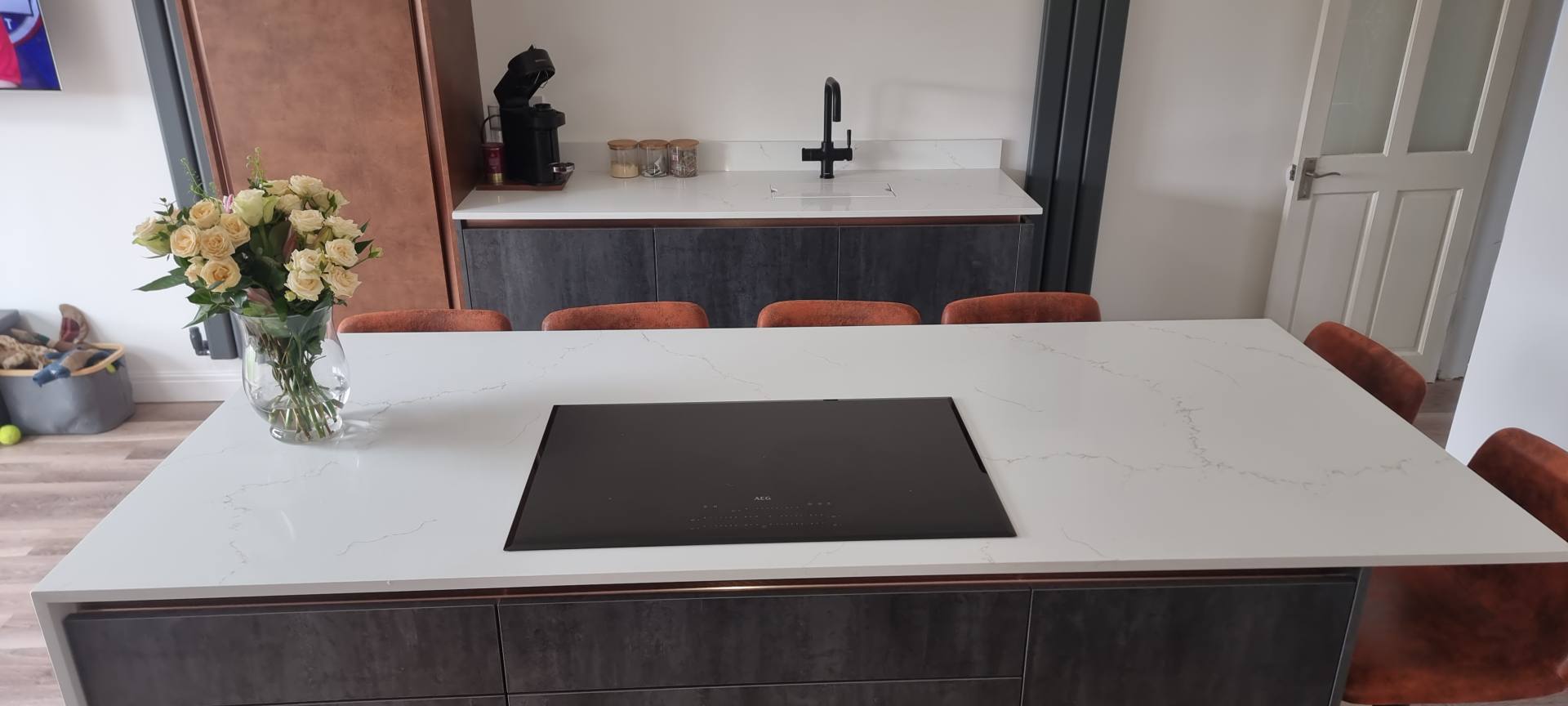
Is Your Quartz Kitchen Worktop Harmful? Let’s Set Things Straight
The short answer is simple: once installed in your kitchen, worktops quartz surfaces pose no health risks. Quartz itself, when sealed and finished properly, is entirely safe for domestic use. Whether you touch it or even lick it – the product is completely safe.
The confusion arises from the production process, which generates silica dust. But this isn’t unique to quartz; it’s true for many products, including brick, ceramic tiles, and concrete. Even the manufacture of a natural product, like wood, can pose risks to health if the right PPE isn’t applied. Unfortunately, these misunderstood production risks led to rumours suggesting quartz worktops themselves (the final, finished product) might be harmful.
Let’s clear things up in detail.
What Exactly Is Kitchen Quartz, and Why Do People Worry?
Quartz worktops are engineered stone surfaces. They consist mainly of quartz particles combined with resins and pigments. Here’s what typically makes up your quartz kitchen worktops:
- Around 90-95% natural quartz particles (crystalline silica). Although the modern industry is constantly changing – the traditional silica is lowered by the suppliers each year. Hopefully, in a few years the ingredient will be replaced completely by something that won’t affect the manufacturers during production.
- 5-10% resins, pigments, and polymers.
The confusion arises primarily from crystalline silica. Silica dust, produced during cutting, sanding, or grinding, can cause health problems if continuously inhaled in large quantities over extended periods. This hazard is strictly limited to the manufacturing environment, not your finished kitchen quartz worktop. Secondly, it’s a risk to the lungs via improper inhalation. Handling the silica: touching or even ingesting the product, is not a health hazard (although of course we’d discourage ingesting the product – it can still cause illness).
At Polish Granite LTD, safety during production is our priority. Our Manchester-based workshop is equipped with multiple ventilation systems. Our fabricators always use proper personal protective equipment (PPE), including masks and dust extraction tools, to eliminate exposure to harmful dust.
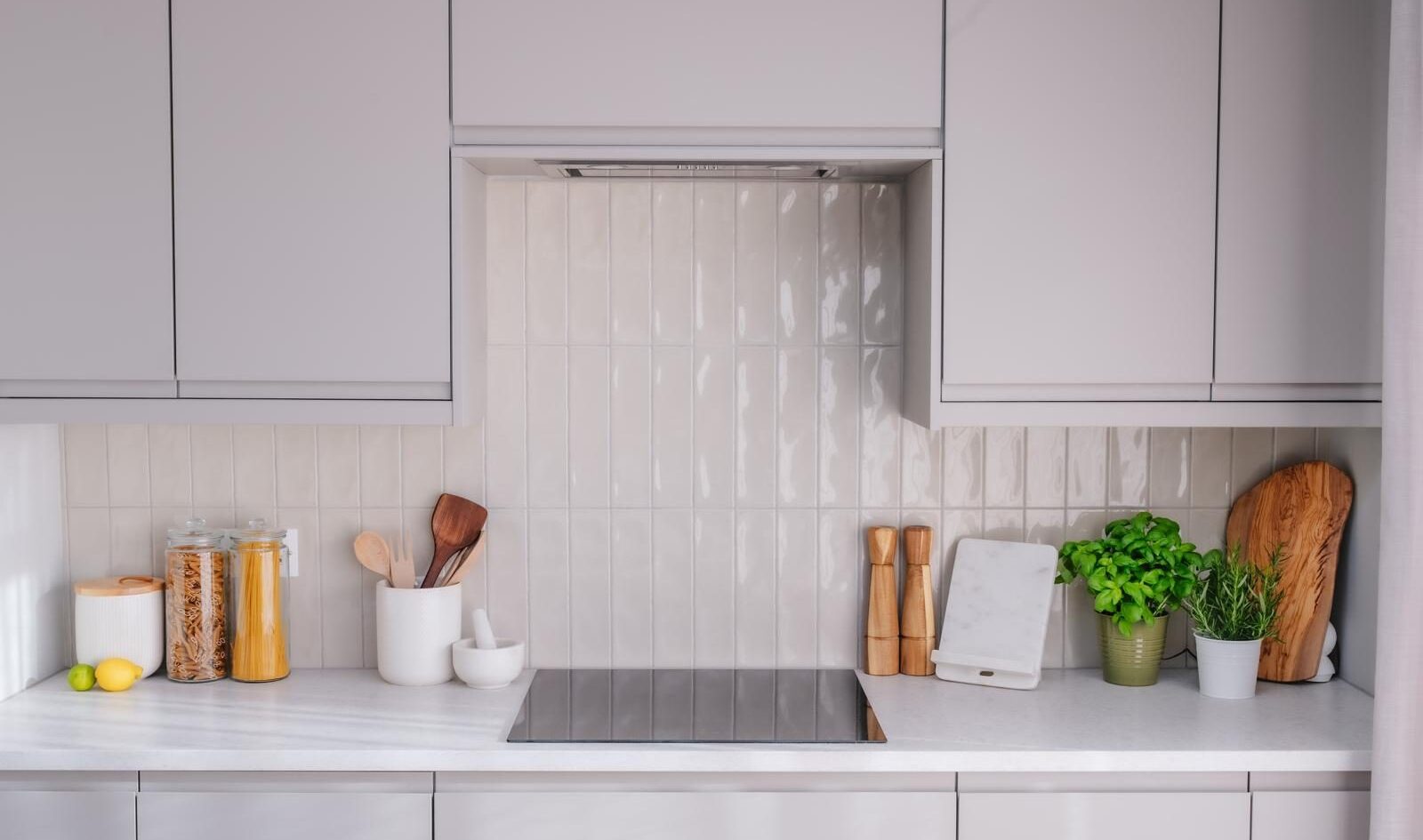
How Is Quartz Production Made Safe?
Our production methods for UK quartz worktops ensure safety:
- Advanced Ventilation: High-capacity extraction systems rapidly remove silica dust.
- Wet Cutting Techniques: Water is used to suppress dust, dramatically reducing airborne particles.
- Personal Protective Equipment (PPE): Workers use industrial-standard respirators, goggles, and protective clothing.
- Regular Safety Training: Staff receive ongoing education on handling quartz safely.
These measures drastically reduce any potential risks during quartz fabrication. It’s why reputable manufacturers and fabricators across the UK follow strict guidelines for safe quartz handling.
Are Quartz Worktops Safe for Your Home?
Absolutely. Once installed, your quartz worktops for kitchens present no risk. The resin binds the quartz particles together, creating a sealed, non-porous surface. Silica particles remain firmly locked inside. They can’t escape into the air or your food.
In fact, the non-porous nature of quartz makes it one of the most hygienic choices for your kitchen. Unlike wood or some natural stones, quartz kitchen countertops resist bacteria and mould growth. They’re easy to clean and maintain, making them an ideal choice for busy family kitchens. But above all, due to their incredible durability, they constantly stay in shape: it’s incredibly difficult to damage the worktops via scratching or chipping. Compare that to laminate worktops or other composites like Corian – those acrylics or wood composites are susceptible to defiling.
Thousands of homeowners across the UK have had quartz worktop UK products in their kitchens for years, with no health concerns reported. Some clients of ours in Manchester and the North West have owned quartz surfaces for decades without any negative health effects. These are the most pet and child friendly kitchen work surfaces available on the market.
What Do Experts Say About Quartz Safety?
It’s always wise to refer to a credible source. Scientific studies confirm the safety of installed quartz surfaces. Research published in environmental health journals clearly states that while silica dust inhalation in factories poses risks, quartz surfaces themselves are harmless once installed. Quartz counters have undergone rigorous testing and safety certification, ensuring they meet strict international safety standards.
Reputable organisations like the National Institute for Occupational Safety and Health (NIOSH) clearly separate production hazards from finished products. The scientific consensus confirms that your installed quartz countertops UK are entirely safe for everyday use.
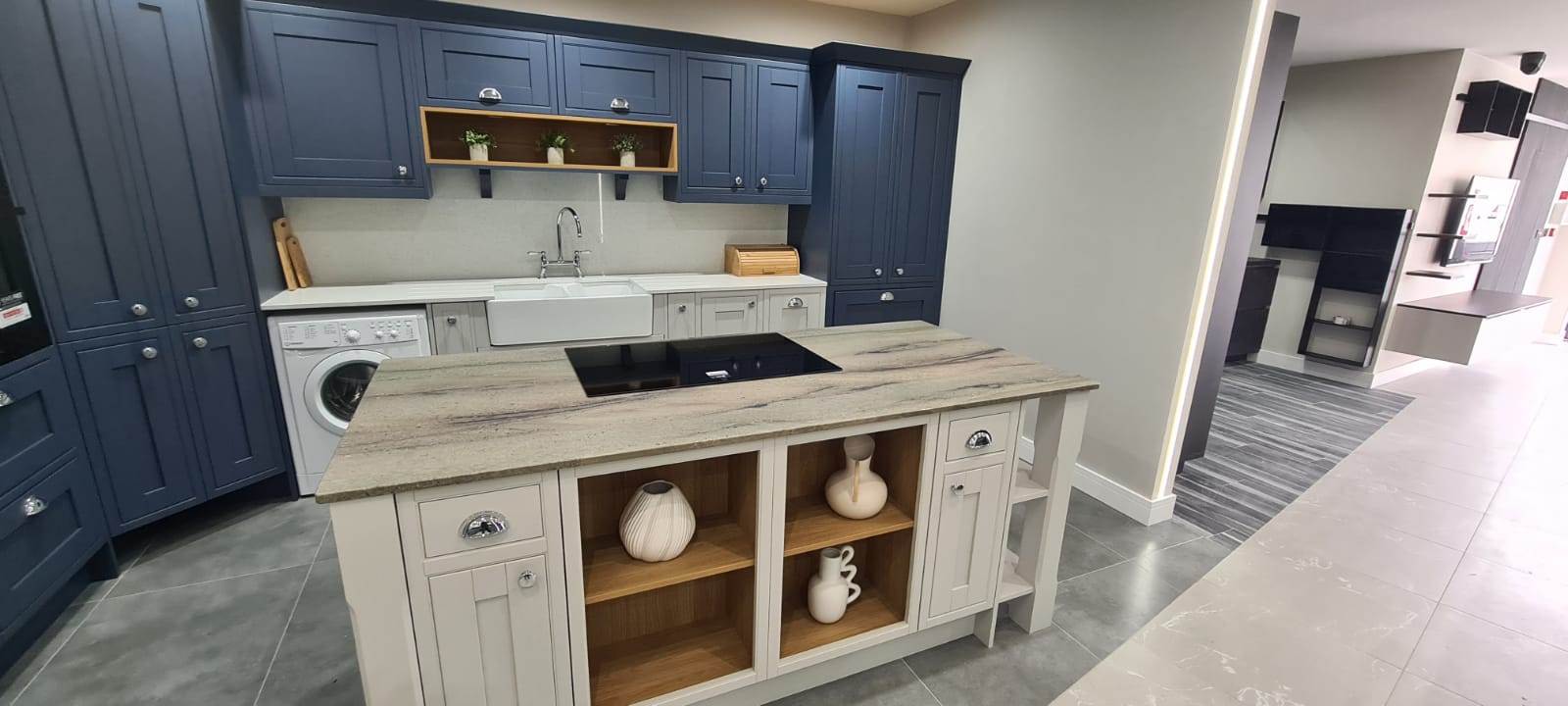
Why Choose Quartz Worktops for Your Kitchen?
Choosing quartz for your kitchen surfaces has clear advantages:
- Hygienic and Safe: Quartz surfaces resist bacteria and mould growth, promoting a healthier kitchen environment.
- Durable and Easy to Clean: Quartz handles daily cooking tasks easily, with minimal maintenance required.
- Stylish Choices: Available in various colours and patterns, quartz complements any kitchen décor.
At Polish Granite LTD, we recommend quartz for those seeking durability, style, and peace of mind. Your safety and satisfaction are our top priorities, and we never compromise on quality or safety standards.
Final Thoughts – Quartz Worktops Are Completely Safe
It’s essential to differentiate between production hazards and your finished work surface. The internet is full of misinformation, but the facts are clear:
Quartz surfaces are non-toxic and entirely safe once installed.
Any health risks relate solely to prolonged silica dust inhalation during production – risks eliminated by proper workshop safety practices.
Thousands of homes in the UK have safely enjoyed quartz surfaces for many years without incident. We highly encourage you to explore credible websites on the internet. For example, Silestone have performed various studies which highlight the safety of their slabs.
We encourage open discussion. If you have concerns or questions about kitchen quartz worktops, please contact us and we’ll send you all the information, links or studies you require. Polish Granite LTD is here to provide clarity and reassurance, backed by years of industry experience and countless satisfied homeowners.